Conversion guide
Why Your Etsy Listing Gets Views but No Sales
Learn why Etsy listings get views but no sales and how to diagnose issues with traffic, photos, price, shipping, trust, and conversion.
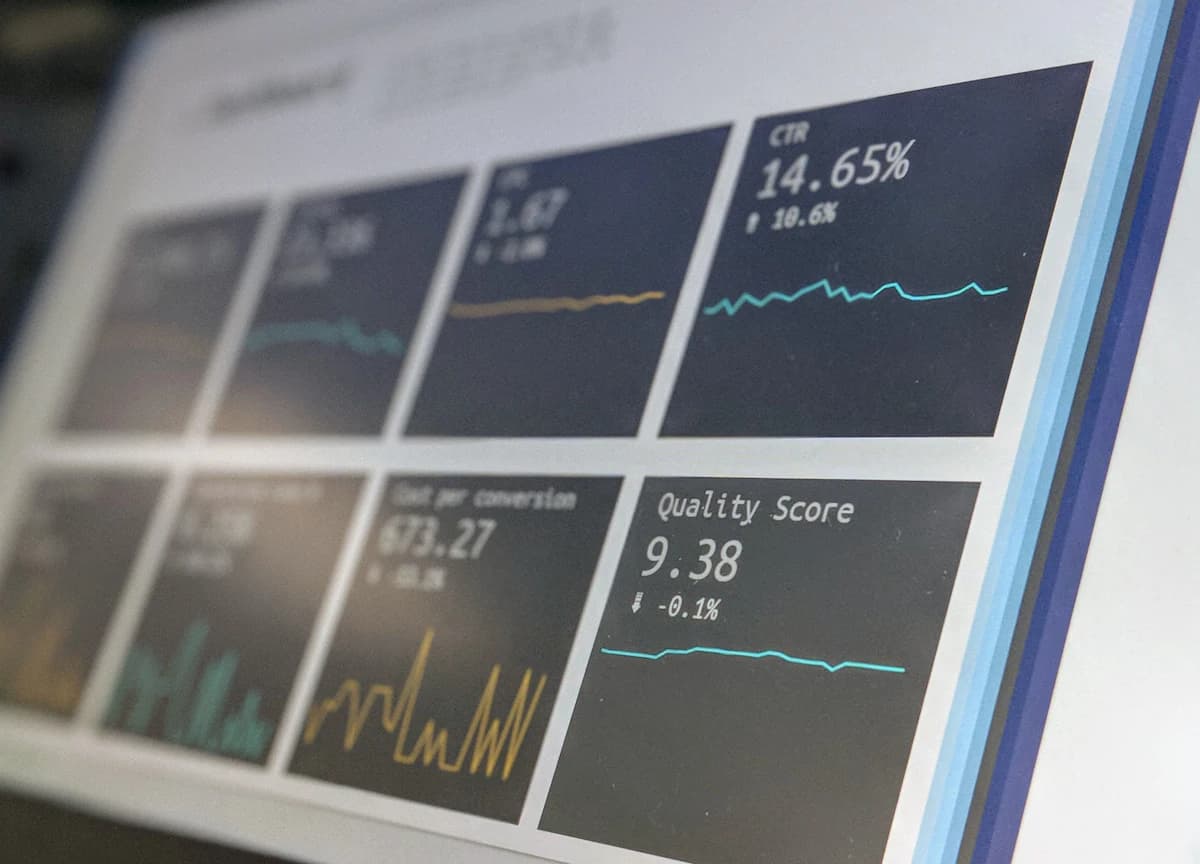
Views without sales are frustrating.
At first, views feel promising. People are finding the listing. The product is not invisible. Something is happening.
Then nothing happens.
No orders. Maybe a few favorites. Maybe one buyer adds it to a cart and disappears like a mysterious Victorian ghost.
If your Etsy listing gets views but no sales, do not panic. Views are a signal. No sales are also a signal.
The job is to diagnose the gap.
Usually the issue is one of these:
- wrong traffic;
- weak thumbnail;
- unclear offer;
- price mismatch;
- shipping friction;
- low trust;
- weak product-market fit.
First, check traffic quality
Not all views are equal.
A listing can receive views from people who are curious but not ready to buy. It can also appear for search terms that are too broad or slightly wrong.
Ask:
- Are buyers finding what they expected?
- Do your title and tags match the product accurately?
- Is the listing attracting shoppers with buying intent?
- Is the keyword too broad?
- Does the product solve a clear need?
- Are similar listings converting in this niche?
If the wrong people visit, conversion will be weak even if the product is good.
Traffic quality matters more than raw view count.
Your thumbnail has one job
The thumbnail must stop the right buyer.
It should quickly communicate:
- what the product is;
- style;
- quality;
- use case;
- main benefit;
- scale, if relevant;
- whether it is personalized, digital, handmade, or physical.
A beautiful photo that does not explain the product can hurt conversion.
Buyers scan quickly. Your listing appears beside many others. If your thumbnail requires careful investigation, it may lose the click or the sale.
The buyer should not need detective training to understand what is being sold.
Price may not match perceived value
Sometimes the price is too high.
Sometimes the price is too low.
A high price can hurt conversion if the listing does not communicate quality, uniqueness, personalization, materials, gift value, or trust.
A low price can also hurt conversion if it makes the product feel cheap or suspicious.
Price works together with:
- photos;
- reviews;
- description;
- shipping;
- branding;
- niche;
- perceived quality;
- personalization.
Before lowering price, ask whether the listing explains the value clearly.
Read How to Price an Etsy Product for Profit before making pricing changes.
The offer may be unclear
Buyers should understand exactly what they get.
Clarify:
- size;
- materials;
- quantity;
- color options;
- personalization steps;
- processing time;
- delivery format;
- whether the item is digital or physical;
- what is included;
- what is not included.
Confusion kills conversion.
If buyers hesitate because something is unclear, many will leave instead of messaging you.
They are shopping, not trying to solve a puzzle box.
Shipping can block the sale
Shipping affects conversion, especially for physical products.
Check:
- Is shipping cost clear?
- Is processing time reasonable?
- Does the final price feel too high after shipping?
- Are international options confusing?
- Is delivery timing suitable for gifts or events?
- Is free shipping built into the price properly?
A product may look attractive until checkout adds shipping that changes the buyer’s mind.
Shipping is part of the offer, not a separate detail.
Trust signals matter
Buyers need confidence before purchasing.
Trust signals include:
- clear photos;
- complete descriptions;
- shop policies;
- reviews;
- realistic processing times;
- professional presentation;
- clear personalization instructions;
- responsive messaging;
- consistent branding.
New shops have less trust by default, so clarity matters even more.
You cannot control being new. You can control how clear and professional the listing feels.
Favorites are not sales
Favorites can be encouraging, but they are not proof of demand.
People favorite items because:
- they are comparing options;
- they are saving ideas;
- they are waiting for payday;
- they like the design;
- they may return later;
- they collect inspiration with no purchase plan.
Favorites are useful signals, but they do not pay for packaging.
If a listing gets favorites but no sales, check price, urgency, differentiation, and offer clarity.
Diagnose before changing everything
Do not change title, tags, price, photos, shipping, description, and ads all at once.
That creates messy data.
A better order:
- Improve thumbnail and first photo.
- Clarify the first lines of description.
- Review price and shipping.
- Improve personalization instructions.
- Check keyword relevance.
- Add missing trust information.
- Test a small promotion only if margin allows.
Change one or two things at a time, then observe.
Random changes create random learning.
Check whether the product economics still work
If conversion is lower than expected, the product may still work if margin is healthy.
But a thin-margin product may require strong conversion to make sense.
Use WorthLaunching to test:
- lower monthly sales;
- different price;
- higher cost;
- ad spend;
- discount scenarios.
This helps you see whether improving conversion is enough or whether the product model itself needs changes.
For margin context, read Etsy Profit Margin: What Is Healthy and What Is Risky?.
Be careful with ads
If a listing gets views but no sales, ads may not be the first fix.
Paid traffic to a non-converting listing can make the problem more expensive.
Before advertising, improve:
- photos;
- price clarity;
- offer clarity;
- shipping;
- trust;
- keyword relevance.
Then, if the product has healthy margin, test ads carefully.
Practical takeaway
Views mean your listing has some visibility.
No sales mean buyers are not convinced yet.
Check:
- traffic quality;
- thumbnail clarity;
- price and perceived value;
- offer clarity;
- shipping friction;
- trust;
- margin;
- product-market fit.
Do not panic. Diagnose.
A listing is not a statue. It is a sales asset. You can improve it.
And if the numbers still do not work after improvements, that is useful too. It means your next product decision can be smarter.